
Myopia Management in Mansfield, Texas
At Texas State Optical Mansfield, our eye doctors provide myopia management solutions designed to help slow the progression of nearsightedness and support long-term eye health.

Myopia Is More Than Just Blurry Distance Vision
Many parents first notice myopia when their child begins squinting, moving closer to screens, or having difficulty seeing things at a distance.
Myopia develops as the eye’s shape changes, preventing distant images from coming into sharp focus. As a result, faraway objects may look blurred while near vision remains clearer.
For many children, myopia continues to progress as they grow. This often leads to stronger prescriptions over time and may increase the risk of certain eye health concerns later in life.
That is why early detection and proactive management have become an important part of protecting long-term vision.

The Best Time to Address Myopia Is While Your Child's Eyes Are Still Growing
Childhood is when myopia tends to progress most rapidly.
That is why early detection matters. When changes are identified sooner, eye doctors have more opportunities to monitor progression, recommend appropriate treatment options, and help support healthier vision as a child grows.
Myopia management is about more than helping your child see clearly in the classroom today. It is about taking a proactive approach during the years when their eyes are developing and creating the best possible foundation for long-term eye health.
Signs Your Child's Myopia May Be Progressing
Children do not always recognize when their vision is changing. Parents may notice:
- Squinting
- Sitting closer to screens
- Holding books close to their face
- Difficulty seeing the board at school
- Complaints of blurry distance vision
- Frequent prescription changes
- Reduced performance during sports or outdoor activities
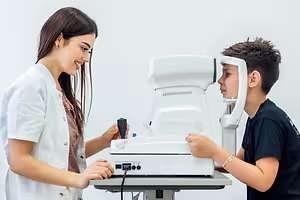
Regular pediatric eye exams allow eye doctors to monitor vision changes and identify progression as early as possible.

Myopia Management Options We Offer
Every child's eyes are different.
Age, prescription, eye health, lifestyle, and the rate of progression all influence which treatment approach may be most appropriate. Our eye doctors in Mansfield evaluate each child individually and develop recommendations based on their needs.
MiSight® 1 Day Contact Lenses
MiSight® 1 day contact lenses are the first FDA-approved soft contact lenses specifically designed to help slow the progression of myopia in children.
These daily disposable lenses provide clear vision while incorporating a specialized optical design intended to reduce signals that contribute to continued eye growth.
Benefits of MiSight lenses may include:
- Clear distance vision
- Daily disposable convenience
- No lens cleaning or storage required
- A clinically proven approach to myopia management
For many active children, MiSight lenses provide both visual freedom and an effective management option.


Stellest® Lenses
Stellest® lenses are specialty eyeglass lenses designed to help slow the progression of myopia while providing clear everyday vision.
Unlike traditional eyeglass lenses, Stellest lenses use advanced optical technology to create a treatment zone that influences how light reaches the retina.
Benefits of Stellest lenses may include:
- Full-time wear during normal daily activities
- No contact lens handling
- Clear vision throughout the day
- A non-contact lens option for myopia management
Many families appreciate Stellest lenses because they allow children to continue wearing glasses while participating in a structured myopia management program.
Low-Dose Atropine Therapy
Low-dose atropine therapy uses prescription eye drops applied at bedtime to help slow the progression of myopia.
Although the exact mechanism remains under study, research suggests that low-dose atropine may help reduce the rate of axial elongation associated with myopia progression.
Benefits of atropine therapy may include:
- Simple daily use
- Non-invasive treatment
- Compatibility with glasses or contact lenses
- Potential reduction in prescription progression
Atropine therapy is often considered when developing a customized myopia management plan.


Orthokeratology (Ortho-K)
Orthokeratology, commonly known as Ortho-K, uses specially designed contact lenses worn while sleeping to gently reshape the corneal surface overnight. After removing the lenses in the morning, many patients can enjoy clear daytime vision without wearing glasses or contact lenses.
For children with progressive myopia, Ortho-K may also help slow the progression of nearsightedness while the eyes are still developing. During a myopia management evaluation, our eye doctors can determine whether Orthokeratology may be an appropriate option based on your child's eye health, prescription, and lifestyle.
Follow-Up Visits Help Us Measure What Is Working
Regular follow-up appointments allow our eye doctors to track changes in your child's prescription, monitor eye growth, and evaluate how well treatment is performing. This information helps us understand whether the current approach is achieving the desired results or if adjustments should be considered.
Every child responds differently, which is why ongoing monitoring remains an important part of successful myopia management.

Start With a Myopia Management Evaluation In Mansfield
The first step is understanding how your child's vision is changing and whether treatment may help slow future progression.
Our eye doctors will evaluate your child's eyes, review their prescription history, and help you understand the options available based on their needs.