
Eye Disease Management in Mansfield, Texas
At Texas State Optical Mansfield, our eye doctors provide comprehensive eye disease management through advanced diagnostic technology, routine monitoring, and personalized medical eye care. The goal is simple: identify changes early, monitor eye health closely, and help patients protect their vision for the future.

Your Vision Can Seem Normal Even When Changes Are Occurring
Vision changes are not always the first sign of an eye disease.
Some of the most common causes of vision loss, including glaucoma, diabetic eye disease, and macular degeneration, can develop slowly over time and often without noticeable symptoms during their earliest stages.
Routine eye examinations and medical eye evaluations allow our eye doctors to identify subtle changes before they begin affecting daily life. Early detection often creates more opportunities to manage conditions and preserve long-term vision.
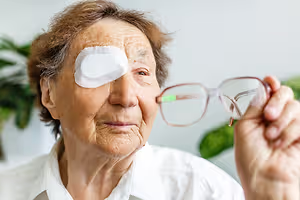
Some Changes Are Easier to Find Before You Can Feel Them
Protecting vision often starts with identifying small changes before they become larger problems.
Our practice uses advanced diagnostic technology to help evaluate eye health and monitor for signs of disease. These tools allow our eye doctors to gather detailed information that supports more accurate assessments and long-term monitoring.
Widefield retinal imaging provides detailed views of the retina, allowing our eye doctors to evaluate for signs of diabetic eye disease, retinal abnormalities, macular degeneration, and other conditions that may not cause symptoms in their early stages.
This modern technology measures eye pressure without the traditional air puff, creating a more comfortable experience while supporting glaucoma evaluations and ongoing monitoring.
Diabetes Can Affect Your Eyes Long Before It Affects Your Vision
Diabetes can affect the small blood vessels inside the retina long before vision changes become noticeable.
A diabetic eye exam allows our eye doctors to evaluate the retina for signs of diabetic retinopathy and other diabetes-related eye conditions. Early detection and routine monitoring play an important role in protecting vision and reducing the risk of long-term complications.
Because diabetic eye disease often develops without symptoms during its earliest stages, annual diabetic eye exams are recommended for many patients living with diabetes.


If Driving Has Become More Difficult, Cataracts May Be Part of the Reason
Cataracts occur when the eye's natural lens becomes cloudy over time.
Many patients first notice increased glare, difficulty driving at night, faded colors, blurry vision, or the feeling that their glasses no longer provide the clarity they once did.
A cataract evaluation helps determine whether cataracts are contributing to these symptoms and allows our eye doctors to monitor changes over time. When cataracts begin affecting daily activities, we can discuss treatment options and help guide you through the next steps.
Glaucoma Often Progresses Without Obvious Warning Signs
Glaucoma is often called the "silent thief of sight" because it frequently develops without noticeable symptoms during its earliest stages.
The condition can gradually damage the optic nerve and may lead to permanent vision loss if left untreated. Regular glaucoma evaluations allow our eye doctors to monitor eye pressure, assess optic nerve health, and identify early signs of disease.
Patients over age 40, individuals with a family history of glaucoma, and those with certain medical conditions may be at greater risk and benefit from routine monitoring.


Changes in Central Vision Deserve Close Attention
Macular degeneration affects the macula, the part of the retina responsible for detailed central vision.
Changes associated with macular degeneration can make reading, driving, recognizing faces, and other everyday activities more difficult. Because the condition often develops gradually, routine monitoring plays an important role in identifying changes and tracking progression.
Regular evaluations are particularly important for patients with a family history of macular degeneration or other risk factors associated with the condition.
One Eye Exam Only Tells Part of the Story
Many eye diseases require ongoing monitoring rather than one-time treatment.
Regular evaluations allow our eye doctors to track changes, assess treatment effectiveness, and make recommendations based on current findings. This long-term approach helps patients stay informed about their eye health and provides opportunities to address concerns before they begin affecting vision.
At Texas State Optical Mansfield, we believe patients should understand their eye condition, their options, and the role they play in protecting their vision.

The Best Time to Look for Eye Disease Is Before It Affects Your Vision
Many eye diseases can be managed more effectively when changes are identified early. Whether you have diabetes, a family history of glaucoma, concerns about cataracts, or simply want to take a proactive approach to your eye health, our eye doctors are here to help monitor your vision and provide guidance every step of the way.