
Dry Eye Treatment in Mansfield, Texas
At Texas State Optical Mansfield, our eye doctors take a deeper look. Through advanced diagnostic testing and targeted treatment options, we work to identify the underlying cause of dry eye and create a plan designed to improve both comfort and long-term eye health.

Dry Eye Affects More Than Your Eye Comfort
Dry eye can affect nearly every part of your day.
Reading, driving, working on a computer, wearing contact lenses, and spending time outdoors can all become more difficult when your eyes feel uncomfortable. Symptoms often fluctuate throughout the day, leaving patients frustrated by inconsistent vision and comfort.
Many people are surprised to learn that dry eye is often a chronic condition that can worsen over time if the underlying cause is not addressed.
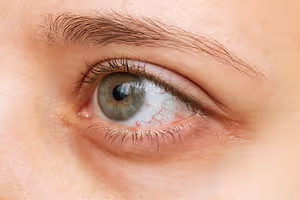
Common Signs of Dry Eye Disease
Dry eye symptoms do not always present the same way. Patients experiencing dry eye disease often report:
- Burning or stinging eyes
- Redness
- Excessive tearing or watery eyes
- Blurry or fluctuating vision
- Eye fatigue
- A gritty or sandy sensation
- Light sensitivity
- Discomfort while wearing contact lenses
- Eyes that feel tired by the end of the day
One of the most misunderstood symptoms of dry eye is excessive tearing. When the eyes become irritated and dry, they may actually produce excess tears as a protective response. As a result, watery eyes are often associated with dry eye disease rather than the other way around.
The Cause of Dry Eye Often Matters More Than the Symptoms
Artificial tears can provide temporary relief, but they do not always address the underlying cause of the symptoms.
Dry eye disease can occur when the eyes do not produce enough tears, when tears evaporate too quickly, or when inflammation affects the tear film.
One of the most common causes of chronic dry eye is Meibomian Gland Dysfunction (MGD). These glands, located along the eyelid margins, produce oils that help prevent tears from evaporating too quickly. When the glands become blocked or unhealthy, the tear film becomes unstable, and symptoms often develop.
Identifying the cause of dry eye is an important part of creating an effective treatment plan.

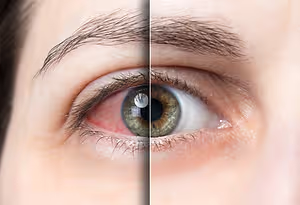
We Take A Comprehensive Approach to Dry Eye Diagnosis
Successful dry eye treatment begins with understanding what is happening on the eye's surface.
During your eye evaluation, our eye doctors assess several factors that may be contributing to your symptoms, including:
- Tear film stability
- Eyelid and Meibomian gland function
- Ocular surface health
- Inflammation
- Contact lens wear
- Medical history and lifestyle factors
This detailed approach helps us move beyond symptom management and focus on treatments that target the source of the problem.
Dry Eye Treatment Options Offered at Texas State Optical Mansfield
Every patient's dry eye condition is different.
Treatment recommendations are based on the underlying cause of the symptoms, the severity of the condition, and how dry eye affects daily life.

Intense Pulsed Light (IPL)
Intense Pulsed Light therapy is commonly used to help manage Meibomian Gland Dysfunction and inflammation associated with dry eye disease.
IPL uses carefully controlled pulses of light to help improve gland function and support a healthier tear film. By addressing one of the most common causes of evaporative dry eye, IPL can help many patients experience lasting improvement in comfort and visual stability.
Radiofrequency (RF)
Radiofrequency treatment uses gentle thermal energy to support healthy gland function and improve the flow of oils within the eyelids.
This treatment is often used alongside other dry eye therapies to help improve tear quality and reduce symptoms associated with gland dysfunction.
Meibomian Gland Treatment
Healthy Meibomian glands are essential for maintaining a stable tear film.
When these glands become blocked, tears evaporate more quickly, and symptoms often worsen. Targeted gland treatments are designed to improve gland function and support a healthier ocular surface.
Ocular Surface Disease Management
Dry eye is not always caused by a single factor.
Some patients require a comprehensive treatment plan that addresses multiple contributors, including inflammation, tear quality, gland function, environmental factors, and overall eye health.
Our eye doctors develop personalized treatment strategies designed around each patient's needs.


What To Do If You Have Contact Lens Discomfort & Dry Eye
Many contact lens wearers assume discomfort is simply part of wearing contacts.
In reality, dry eye disease is one of the most common reasons patients struggle with contact lenses. Dryness can cause fluctuating vision, irritation, lens awareness, and reduced wearing time.
Addressing dry eye symptoms often improves contact lens comfort and may help patients continue wearing lenses successfully. For patients with more advanced symptoms, specialty contact lenses may also be considered as part of a long-term management strategy.
Find Out What Is Causing Your Dry Eye Symptoms
A comprehensive dry eye evaluation allows our eye doctors to identify the source of your symptoms, assess the health of your tear film and Meibomian glands, and recommend treatment options designed around your needs.