


 Online Forms

Understanding Dry Eye Disease
Dry Eye Disease (DED), also known as dry eye syndrome or keratoconjunctivitis sicca, is a chronic condition where the eyes do not produce enough tears or the tears evaporate too quickly. This leads to inflammation and discomfort of the ocular surface. DED can affect vision, comfort, and overall quality of life.
Dry eye occurs when the tear film — made up of mucus, water, and oil layers — becomes unstable. This instability prevents the eyes from staying properly lubricated.
Causes of Dry Eye Disease
Dry Eye Disease is multifactorial, meaning many contributors can play a role. Common causes include:
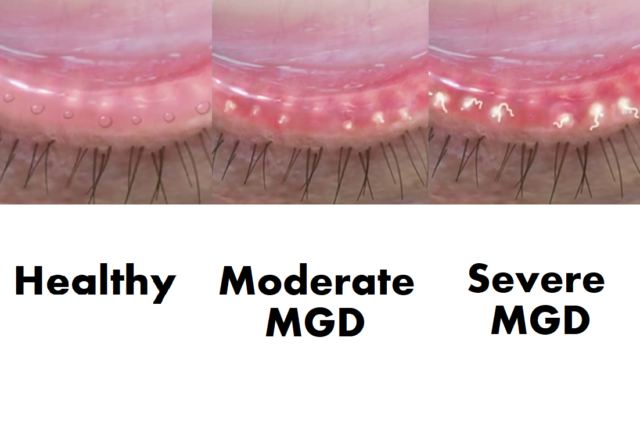
Meibomian Gland Dysfunction (MGD): A leading cause of dry eye, MGD occurs when the oil glands in the eyelids become blocked or inflamed, reducing the tear film's oily layer and causing rapid tear evaporation.
Aqueous Tear Deficiency: Occurs when the lacrimal glands do not produce enough watery tears. Often related to autoimmune conditions such as Sjögren’s Syndrome.
Environmental Factors
Dry or windy climates
Air conditioning or heating
Prolonged screen time (reduced blinking)
Smoke exposure
Hormonal Changes: Common in women during pregnancy, menopause, or when using hormonal birth control.
Eyelid Issues: Incomplete blinking, eyelid inflammation (blepharitis), or eyelid position problems.
Medications: Certain medications may reduce tear production, including:
Antihistamines
Antidepressants
Blood pressure medications
Acne treatments
Age-Related Changes: Tear production naturally declines with age.
Digital Eye Strain: Prolonged screen use reduces blink rates, leading to tear film instability.
Systemic Health Conditions
Autoimmune diseases
Thyroid disorders
Diabetes
Symptoms of Dry Eye Disease
Symptoms vary from mild to severe and may include:
Burning or stinging
Grittiness or feeling like something is in the eye
Redness or irritation
Watery eyes (reflex tearing)
Blurry or fluctuating vision
Sensitivity to light
Eye fatigue, especially with screen use
Discomfort with contact lenses
Symptoms may worsen throughout the day, particularly during visually demanding tasks.
How Dry Eye Is Diagnosed
At Texas State Optical Mansfield, we use a combination of advanced testing and clinical evaluation to determine the cause and severity of your dry eye. Diagnosis may include:
Detailed Symptom Review: Understanding your lifestyle, medical history, screen use, and symptom patterns.
Tear Film Evaluation: Assessing tear stability (TBUT), tear quantity, and tear quality.
Meibomian Gland Assessment: Examining gland structure and function to detect blockages or gland loss.
Ocular Surface Staining: Using safe dyes to highlight dryness, inflammation, and damage on the eye’s surface.
Imaging & Diagnostic Technology: Advancing imaging such as meibography help us visualize the structure of the meibomian glands, revealing blockages and gland damage.
Treatment Options for Dry Eye Disease
Effective treatment depends on the underlying cause. Management is often layered and tailored to each individual.
- Lifestyle and Environmental Modifications
Take regular screen breaks (20-20-20 rule)
Increase humidity in the environment
Wear wraparound sunglasses outdoors
Stay hydrated
- Artificial Tears and Lubricants
Over-the-counter lubricating eye drops
Preservative-free options for sensitive eyes or frequent use
Gel or ointment formulations for nighttime dryness
- Prescription Medications
Anti-inflammatory drops (e.g., cyclosporine or lifitegrast)
Corticosteroid drops (short-term use)
Medications to stimulate tear production
- Meibomian Gland Therapy
OPTASE Moist Heat Mask
In-office thermal treatments (e.g., radiofrequency)
Manual gland expression
- Eyelid Hygiene
Cleansing lids and lashes to reduce bacteria, debris, and inflammation
Hypochlorous acid sprays or foam cleansers
Punctal Plugs: Tiny collagen devices inserted into the tear drainage ducts to help retain natural tears.
Nutritional Support: Omega-3 supplements may support healthier tear production and reduce inflammation.
Advanced Therapies
- Amniotic membrane treatment: For severe or chronic dry eye cases, where inflammation and corneal damage have progressed, regenerative medicine can offer a more advanced solution. Prokera® and NEOX® FLO Amniotic Tissue Treatments are groundbreaking therapies that harness the healing properties of amniotic tissue to promote tissue repair and reduce inflammation.
- Scleral contact lenses to protect and hydrate the ocular surface
- InMode Envision Radiofrequency (RF): RF therapy delivers controlled heat to the eyelids to gently liquefy and release trapped oil in the meibomian glands. It also promotes collagen production, helping tighten the skin around the eyes and improve overall eyelid function. RF is a comfortable, relaxing procedure with long-lasting benefits for tear stability and dry eye relief.
- Intense Pulsed Light (IPL): IPL uses gentle light pulses to target and reduce inflammation around the eyelids, improve blood flow, and stimulate healthy oil production in the meibomian glands. This non-invasive treatment helps restore a stable tear film and reduce the need for artificial tears.
When to See an Eye Doctor
You should consult an eye care professional if you experience:
Persistent dryness or irritation
Blurry or fluctuating vision
Difficulty with contact lens wear
Chronic redness, burning, or tearing
Symptoms that do not improve with over-the-counter drops
Early diagnosis and proper treatment help prevent long-term ocular surface damage and improve comfort and vision.
Ready for Relief?
If you're experiencing dryness, irritation, or fluctuating vision, Texas State Optical Mansfield can help. Our doctors offer advanced diagnostics and personalized treatment options, including RF and IPL therapies.
Schedule your dry eye evaluation today and take the first step toward comfortable, clear vision.
Quick Links
Helpful Articles
article_category: vision therapy
article_category: eye health
article_category: conditions
article_category: products
article_category: preventative
article_category: Aesthetics
article_category: large animal
article_category: cosmetic
article_category: eyeglasses
article_category: cats
article_category: technology
article_category: contact lenses
article_category: ocular disease management
article_category: surgical procedures
article_category: restorative
article_category: FAQ & tips
article_category: general
article_category: services
article_category: psychiatry
article_category: dogs
article_category: eye surgery co-management
article_category: exotic
article_category: health
[]
article_category: eye health
article_category: conditions
article_category: products
article_category: preventative
article_category: Aesthetics
article_category: large animal
article_category: cosmetic
article_category: eyeglasses
article_category: cats
article_category: technology
article_category: contact lenses
article_category: ocular disease management
article_category: surgical procedures
article_category: restorative
article_category: FAQ & tips
article_category: general
article_category: services
article_category: psychiatry
article_category: dogs
article_category: eye surgery co-management
article_category: exotic
article_category: health
[]
Flowbite is an open-source library of interactive components built on top of Tailwind CSS including buttons, dropdowns, modals, navbars, and more.
Check out this guide to learn how to get started and start developing websites even faster with components on top of Tailwind CSS.

All Eyecare Services
We offer a wide variety of eye care services to the Mansfield community. Contact us with any questions about our services.

Keep In Touch
For non-urgent questions or to learn more about our services, contact us today!

Contact Information
Office Hours
- Monday 9:00 AM - 6:00 PM
- Tuesday 9:00 AM - 6:00 PM
- Wednesday 9:00 AM - 6:00 PM
- Thursday 9:00 AM - 6:00 PM
- Friday 9:00 AM - 6:00 PM
- Saturday 9:00 AM - 2:00 PM
- Sunday Closed
- Monday 9:00am - 6:00pm
- Tuesday 9:00am - 6:00pm
- Wednesday 9:00am - 6:00pm
- Thursday 9:00am - 6:00pm
- Friday 9:00am - 6:00pm
- Saturday 10:00am - 2:00pm
- Sunday Closed
- Monday 8:00am - 5:00pm
- Tuesday
- Wednesday
- Thursday
- Friday
- Saturday
- Sunday
© 2026 Texas State Optical Mansfield. All rights Reserved - Accessibility Statement - Privacy Policy - Sitemap
Managed and Designed by 