



 Online Forms

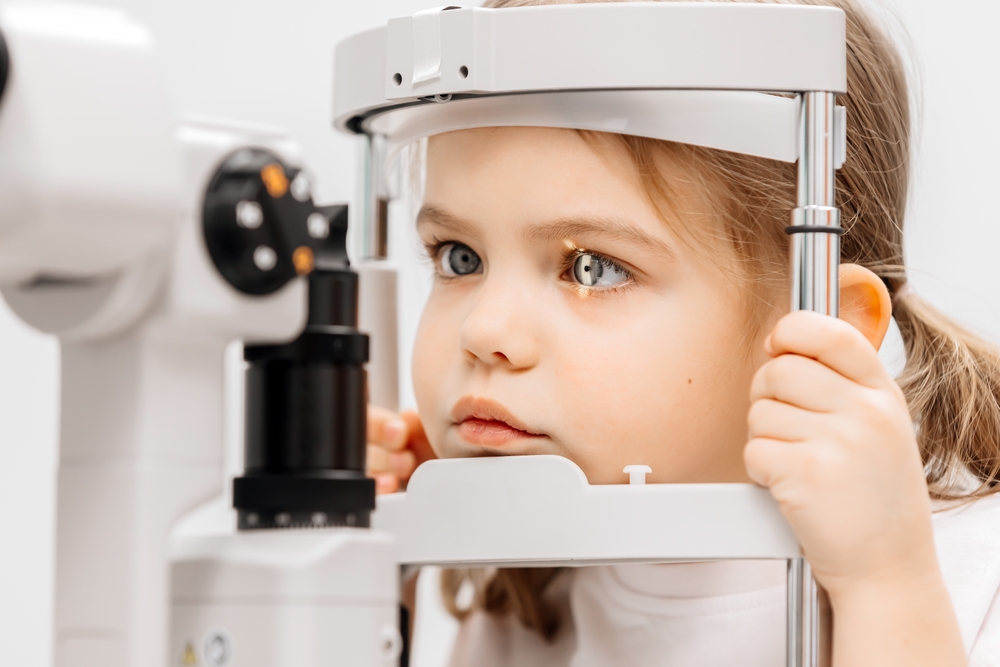
Myopia is more than a vision prescription that changes over time. It happens when the eye grows too long, which makes distance vision blurry and can continue progressing throughout childhood. Because myopia often advances year after year, regular monitoring helps us track changes early and respond before they become more significant. At Texas State Optical Mansfield, we emphasize ongoing myopia management because slowing progression can help protect long-term eye health.
How Often Kids Should Be Checked
Children with myopia should not wait until their next routine annual exam if their prescription is actively changing. In most cases, kids benefit from more frequent myopia progression checks so we can measure prescription changes, evaluate risk factors, and confirm whether treatment is working as intended. Since myopia tends to progress fastest between ages 6 and 14, these years are especially important for close follow-up.
What We Look For At Each Visit
When we monitor myopia progression, we are not only checking whether your child can see clearly. We are also looking at how quickly the prescription is increasing, how lifestyle habits may be contributing, and whether the current treatment plan should be adjusted. This kind of follow-up helps us create a more personalized approach for each child.
Signs Your Child May Need To Be Seen Sooner
Some children need a check sooner than expected, especially if you notice signs that their vision is changing quickly. These can include:
- Squinting to see far away
- Sitting very close to screens
- Holding books or tablets too close
- Frequent headaches
- Complaints of blurry distance vision
- Rapid prescription increases
If you notice these issues, it is a good idea to schedule an exam rather than waiting.
Why Early Action Matters
Glasses can improve clear vision, but they do not slow the eye’s growth. As myopia progresses, the risk of future eye conditions such as retinal detachment, myopic macular degeneration, glaucoma, and early cataracts can increase. That is why regular checks are so important - they help us catch progression early and support treatment before the prescription climbs further.
Treatment May Affect Follow-Up Needs
The right follow-up schedule can depend on the treatment your child is using. Our myopia control options include MiSight 1 Day contact lenses, Essilor Stellest lenses, Ortho-K, and low-dose atropine eye drops. Because each option works differently, ongoing visits help us confirm comfort, vision, and treatment response over time.
Contact Texas State Optical Mansfield in Mansfield, TX by calling (682) 518-1177 to schedule a myopia progression check for your child.


